Reflections
Managing a Food Hub: the challenges and the rewards
By Laure Berling
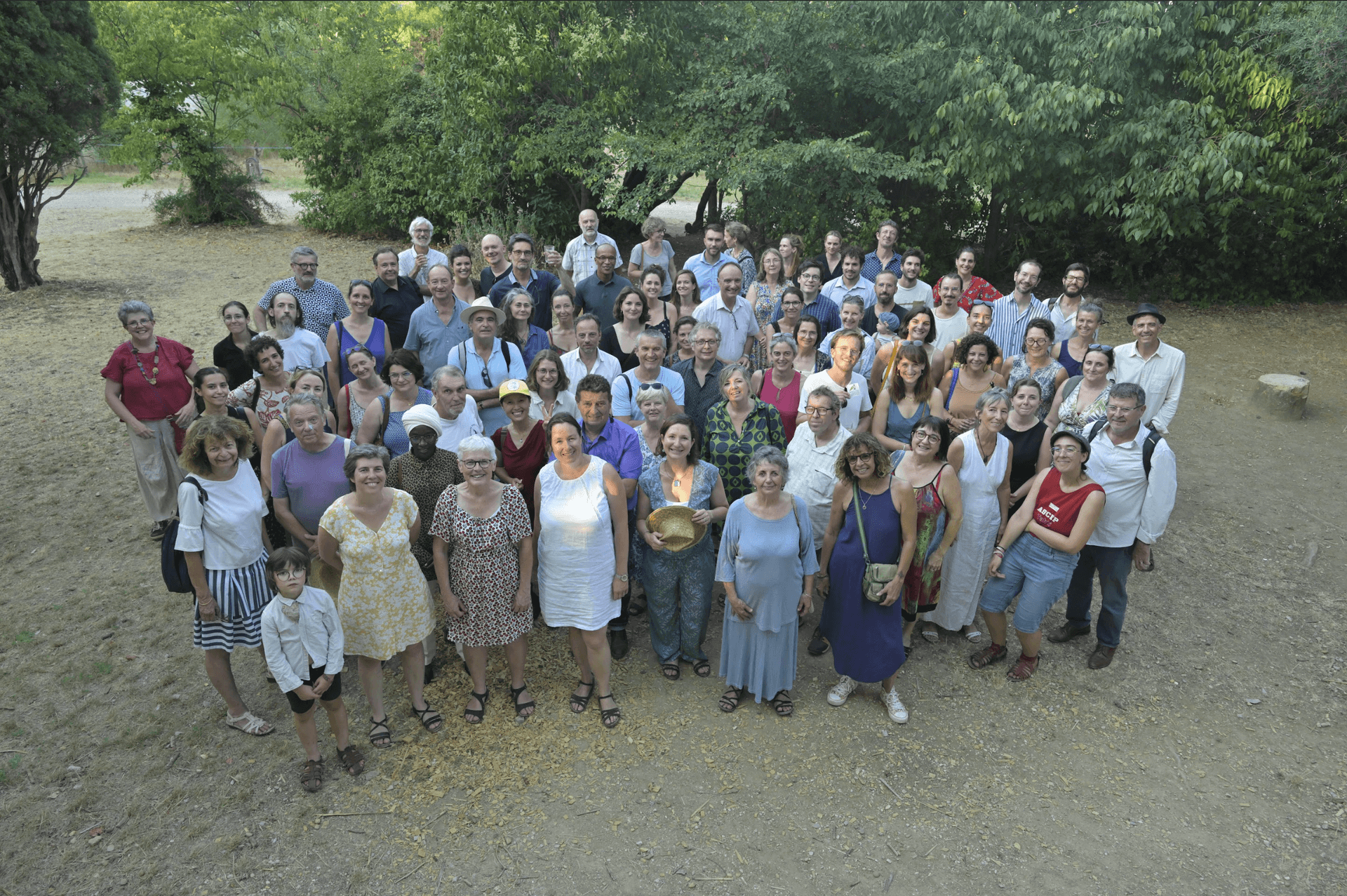
The SWITCH project brings together six diverse Food Hubs from across Europe, each serving as a living lab for collaborative research. By engaging a wide range of actors in the co-creation and implementation of innovative activities, the project can gain real knowledge from the field about the drivers of dietary shifts. Building this kind of collaboration requires strong networks, effective organisation and a deep understanding of local territories. Laure Berling, who leads the Montpellier and Occitanie Region Hub in France, explains how this works in practice.
The SWITCH Montpellier Hub reflects our closely-knit network of actors; organizations who have already built long-term collaborations through various projects. In our Montpellier Action Plan, we included activities showcasing how collaboration between research, local government and civil society organizations can yield innovative actions tailored to the local challenges. We therefore chose to include activities unique to the Montpellier context, and representative of the City’s ambitious food policy.
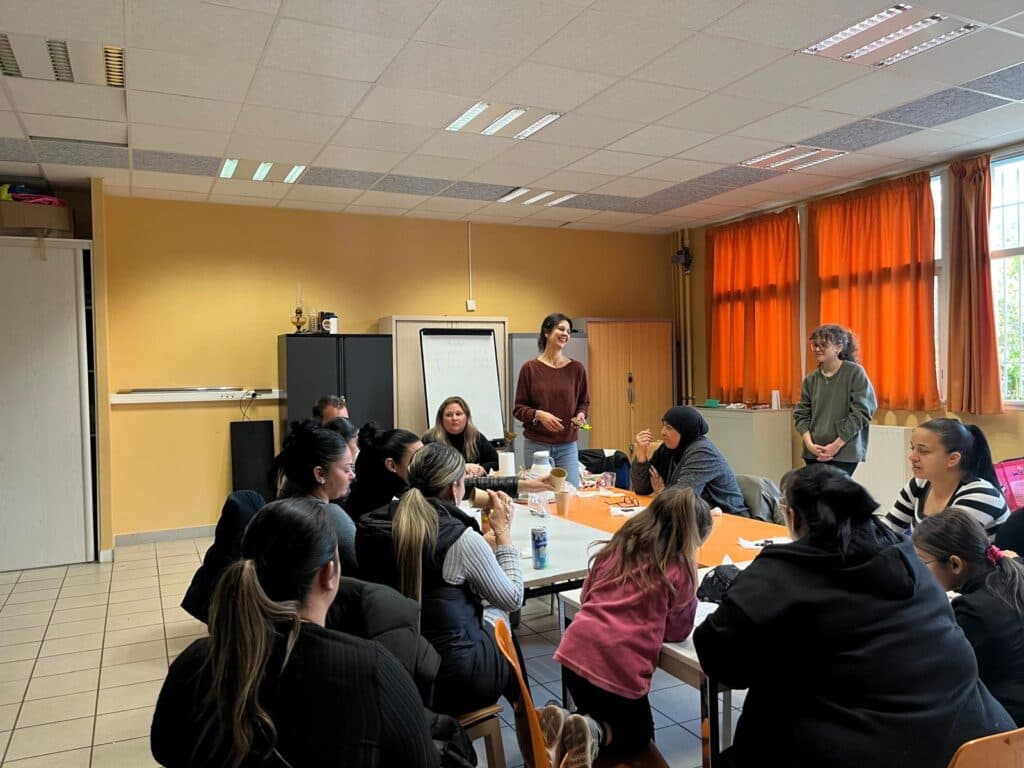
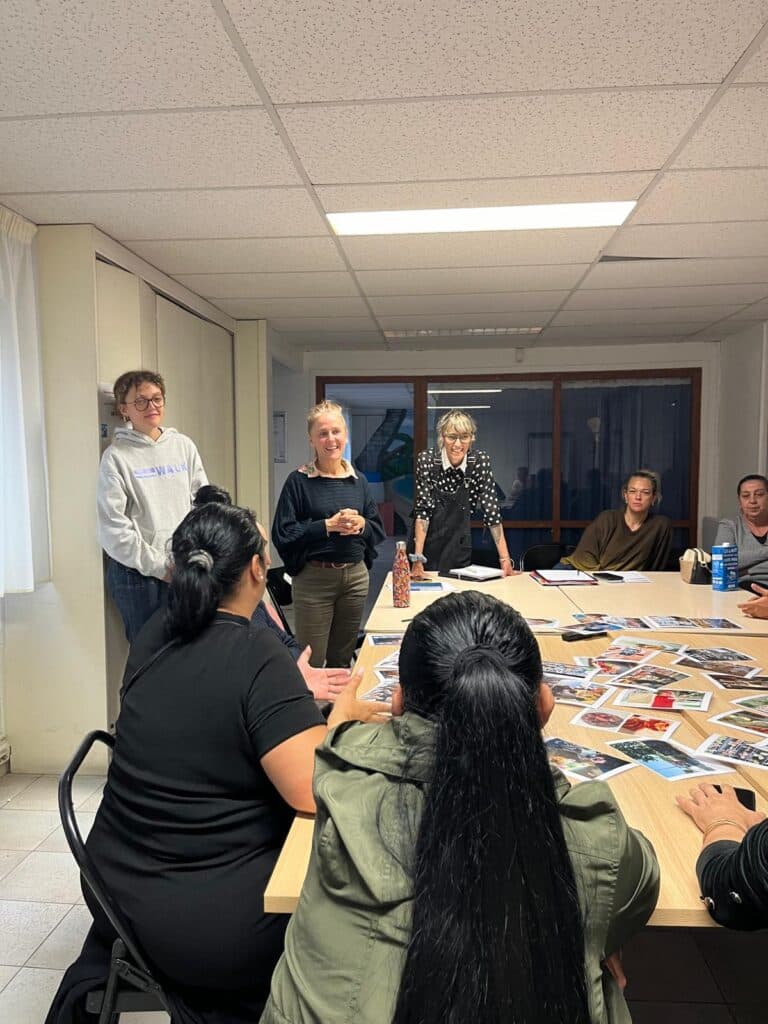
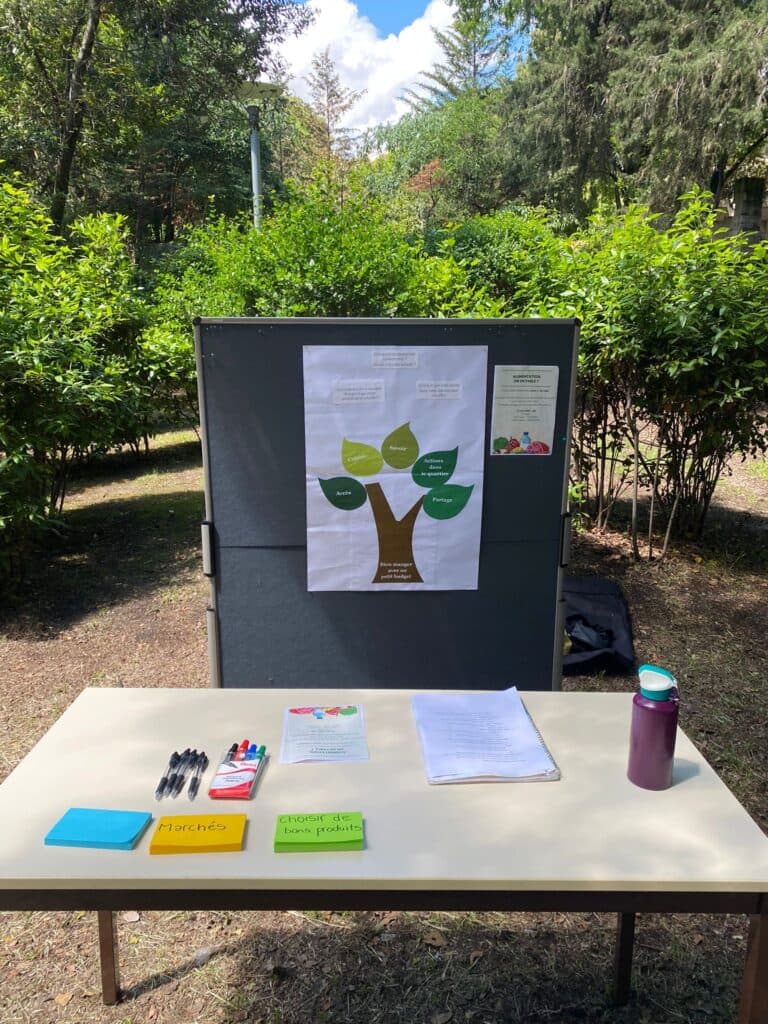
But SWITCH was also an opportunity to go beyond, and experiment some activities for policy development. We co-constructed a series of workshops with the Gitan community of Montpellier to discuss topics related to sustainable food practices, such as solidarity-based food supply systems, nutrition and health and cultural experiences, as well as to collect feedback on their lived experience in Montpellier. This activity entailed doing extensive exploratory work with local associations to find the best way to approach these topics. We also involved anthropologists holding expertise with the Gitan community to ensure a respectful and relevant process.

What worked well
What worked well for our Hub was to meet regularly. This allowed us to build a space with regular follow-up on activities from our Action Plan, where the different partners can present progress and findings, share challenges and gather inputs from other perspectives. Our Hub meetings are spaces of decision-making and allow every partner to freely share their own experience with the activities and of the SWITCH project. The strong and pre-established collaborative relationships guaranteed a smooth communication between partners, despite our Hub being transdisciplinary. It was truly a collective effort to build such an effective working space.
The challenges
Of course, we met some challenges along the way. Co-creation takes time and sustained effort in order to build something meaningful. It requires a continuous feedback loop over time to shape something valuable. Yet it was also a rewarding process. For our activity with the Gitan community for example, it took about a year to develop the right connections and build a relevant workshop program together, tailored and dedicated to the audience. It took a lot of back and forth, but at the final workshop session, the audience shared positive feedback with us making the effort worthwhile.
Visibility for action research
All SWITCH Food Hubs have designed activities that were made by, for and with the people involved, with co-construction as the innovative heart. For the Montpellier Hub, its success is also due to the supportive relationships cultivated between our organizations: one could not have designed such impactful activities without the others. SWITCH created an opportunity to give international visibility to the action research addressing the challenges met by the Montpellier food system, and amplify the City’s evidence-based food policy. We hope this visibility will inspire others and encourage them to invest the time needed to co-construct similar initiatives adapted to their own local contexts and challenges.