Results
Defining the SWITCH Diet
By Marilena Vitale
Strong scientific evidence shows that diets rich in plant-based foods, whole grains, and sustainable protein sources can lower the risk of non-communicable diseases, such as diabetes and cancer, while also reducing greenhouse gas emissions. However, current diets in Europe remain nutritionally imbalanced and do not fully align with recommendations for health promotion. The SWITCH project therefore set out to define a structured dietary model to facilitate the shift towards meeting Europe’s health and environmental sustainability goals.
The team from Chalmers and the University of Naples began by taking a close look at the official food-based dietary guidelines in the five SWITCH Food Hub countries: Sweden, Germany, Spain, France and Italy. These national recommendations provided the foundation for understanding how healthy eating is currently defined across diverse cultural contexts.
Next, these guidelines were compared with leading international benchmarks, including the dietary model proposed by the EAT-Lancet Commission, a representative Mediterranean diet pattern, and the latest Nordic Nutrition Recommendations 2023. This side-by-side analysis helped identify common ground, regional differences, and opportunities to strengthen sustainability goals without compromising nutritional quality.
To ensure that the approach was firmly rooted in evidence, the team also reviewed current scientific literature on healthy and sustainable diets. This provided an up-to-date understanding of how different food groups affect both human health and the environment.
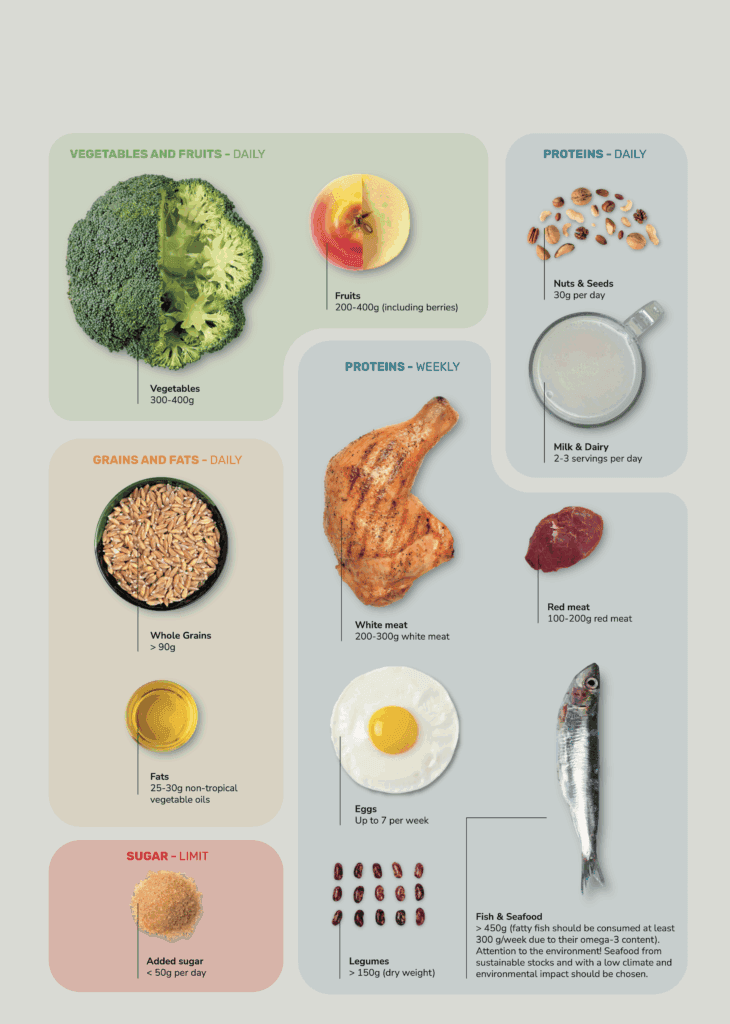
Drawing on these insights, SWITCH proposed clear target intake levels for key food groups, forming what is now known as the “SWITCH diet.” But the ambition did not stop at theory. To make the transition practical and appealing, the team translated these targets into weekly menus and accessible recipes tailored for Food Hub communities — turning scientific guidance into meals that can realistically be cooked, shared and enjoyed.
So what does it look like? The SWITCH diet suggests a preference for plant-based foods, although it includes moderate intakes of foods of animal origin such as dairy products (especially fermented ones), eggs, white meat, and fish. This allowance avoids strict limitations that might not be feasible to maintain long-term, and reduces the risk of developing nutritional deficiencies. The diet also preferentially includes carbohydrate-rich foods of higher nutritional quality (i.e., wholegrains, and with a low amount of added sugars), able to contribute substantially to the reduction of cardiometabolic risk.
The SWITCH diet offers a realistic, adaptable, and impactful approach to healthy and sustainable eating. By integrating region-specific dietary recommendations with global sustainability efforts and supporting the choice of food items widely available at the local level, it provides a practical solution to modern nutritional challenges.
This article has been adapted from the SWITCH Magazine: Edition 2, written by Marilena Vitale, Dietitian and PhD in Nutrition Science, University of Naples Federico II.