Practices
Collecting Data through Photographs
By Meike Fienitz
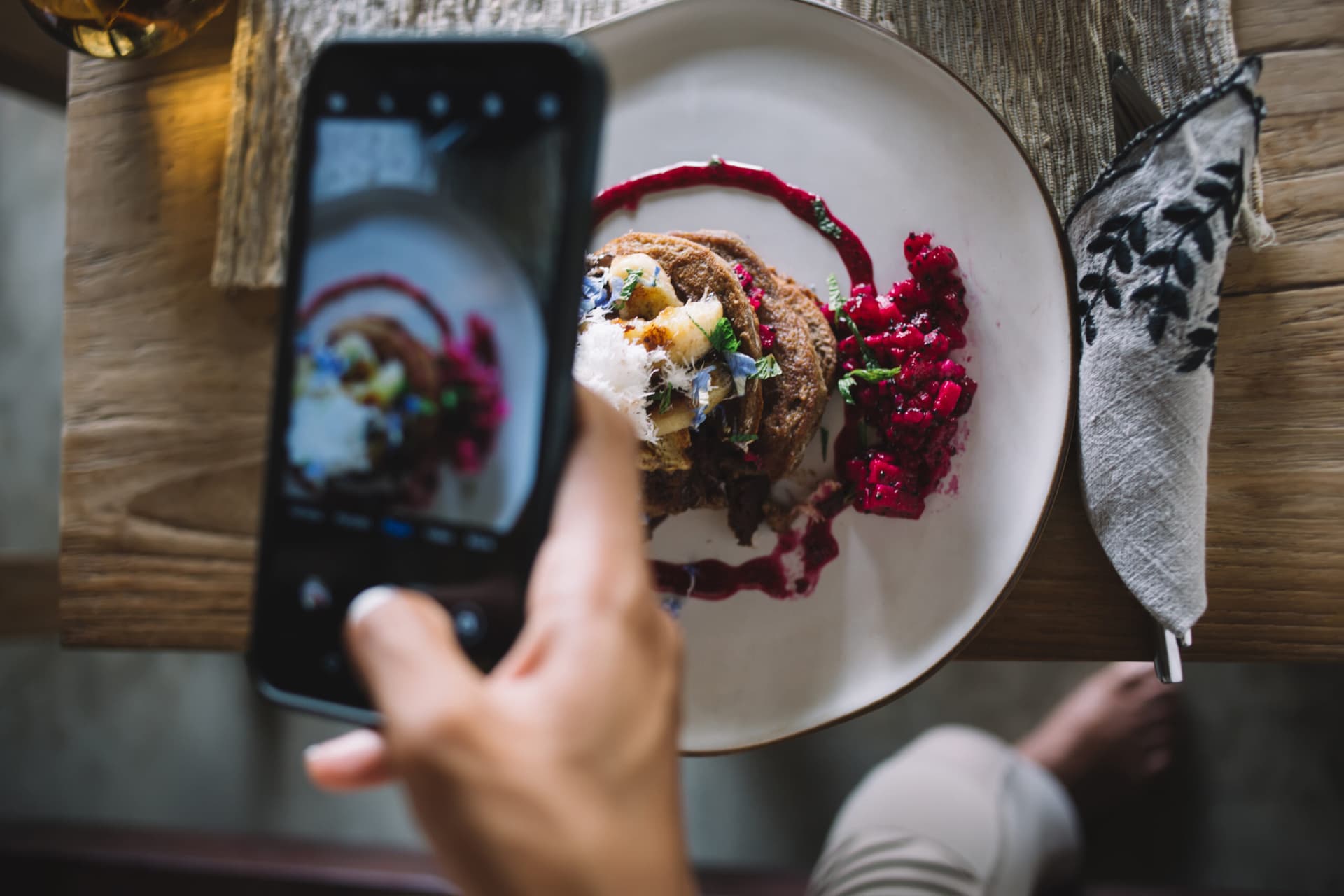
A key aim of the SWITCH project is to better understand how diverse communities experience and navigate their food environments. Researchers from ZALF, Germany, and Wageningen University and Research in the Netherlands are getting creative with a participatory, photo-based study in two of the SWITCH hubs: Berlin and Gothenburg aiming to capture real-life food experiences in ways that go beyond numbers and surveys.
Gothenburg’s Food Photo Diaries
In Gothenburg, research is focused on the everyday food habits of residents in Västra Frölunda, a neighbourhood with a high proportion of lower-income and migrant communities. Using a social science method known as photo-elicitation, participants are asked to photograph everything they eat over the course of a day and reflect on their choices. These images do more than document meals; they ground discussions in real-life experiences, making abstract topics tangible. The result is a vivid snapshot of everyday eating habits, revealing not only what is on people’s plates, but the motivations, constraints and coping strategies behind those choices.
Berlin’s Photo Walks
In Berlin’s Wedding district, research turns to the streets to explore the local “foodscape”, the food environment shaping daily life. Residents take part in photo walks, capturing shops, meals, favourite or unaffordable foods, and places that define their neighbourhood’s food culture. These images spark conversations about accessibility, affordability and what is missing to support healthier, more sustainable choices. Inspired by the social science method of photovoice, this action allows participants to share their lived experiences through images, offering insight into everyday realities of food access and availability.
Why a visual and participatory approach matters
Through these methods, SWITCH moves beyond statistics to capture the lived food experiences of diverse communities. Insights from photo-based methods feed directly into the project’s social science analyses, while also being translated into simple, adaptable guidelines that other SWITCH hubs can use. This enables more communities to share their food stories and deepen understanding of local barriers to healthy and sustainable diets.
But SWITCH is not only about collecting knowledge, it is about giving it back. In Berlin and Gothenburg, findings will come alive through creative formats such as photo exhibitions, zines or interactive maps. By harnessing the storytelling power of images, SWITCH transforms everyday food realities into something visible, relatable and shared, showing that food is far more than what we eat; it shapes how we experience the world.
This article has been adapted from the SWITCH Magazine: Edition 2, written by Meike Fienitz, Researcher, Leibniz Centre for Agricultural Landscape Research (ZALF). Read the full article here: https://switchdiet.eu/magazine/